
Essity’s $284M Brazil buy is a play for scale in femcare — strategic implications for investors and innovators
Essity’s agreement to acquire three high-volume period-care labels and local manufacturing in Brazil is more than routine consolidation; it signals a targeted push to control supply, distribution, and innovation levers in one of the world’s largest femcare markets. For investors, the deal highlights where capital will flow next in women's hygiene: scale-enabled product evolution, supply-chain modernization, and partnership opportunities for nimble femtech entrants.
By Fern Capital Insights
Source: Femtech Insider
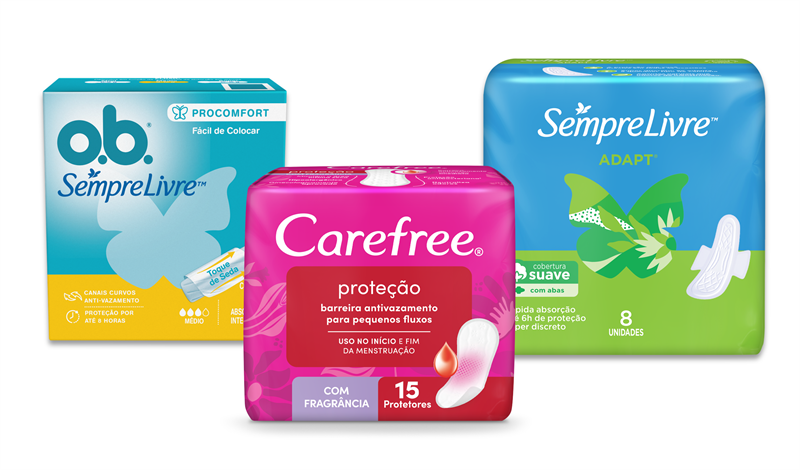
Bottom line: Essity is buying established period-care brands and plants in Brazil for $284 million to strengthen its position in a large, fast-moving market; the transaction is a strategic bet on scale as the primary enabler of future product and channel expansion in femcare.
Deal snapshot
- Purchase price: $284 million.
- Assets acquired: three period-care brands and associated manufacturing capacity in Brazil (Carefree, Sempre Livre, o.b.).
- Recent performance: the acquired brands generated roughly BRL 800 million in net sales over a recent 12-month period (about $154 million).
- Timing and conditions: closing expected by the second quarter of 2027, contingent on Brazilian regulatory clearance and the completion of a separate transaction that affects the seller’s corporate structure.
Why this matters now: multinational players are channeling capital into country-level scale rather than only global brand portfolios, because control of local manufacturing, distribution and pricing is mandatory to capture rising consumption in middle-income markets and to accelerate new product rollouts that meet local preferences.
Strategic rationale for Essity: adding these labels and plants closes geographic gaps in its portfolio and gives the company instant access to high-velocity retail and pharmacy channels in Brazil, a market with entrenched consumer habits and distinct product preferences where national brands matter for shelf placement and consumer trust.
Context for investors: this acquisition follows Essity’s earlier purchase of several femcare assets in North America, demonstrating a pattern of bolt-on buys to assemble a global footprint through local market anchors rather than relying solely on organic expansion.
Implications for women's health innovation
1) Scale will fund product development: local manufacturing and higher combined revenues create room to invest in product improvements, sustainable materials, and premium SKUs targeted at urban consumers, which can accelerate adoption of next-generation disposables and hybrid solutions.
2) Distribution concentration raises both barriers and opportunities: with more market share consolidated under a few global players, independent femtech brands face higher obstacles to retail entry, but the same concentration creates partnership pathways for startups that offer clear differentiation—sustainability, digital services, or cost-efficient reusable models.
3) Local R&D and manufacturing matter for LMICs: innovation that succeeds in Brazil often requires adaptations to price point, materials sourcing, and waste management; owning plants allows faster iteration and lower landed costs than exporting solutions developed elsewhere.
What investors should monitor next
- Regulatory signals from Brazil, which will determine deal timing and whether divestitures or conditions are imposed.
- Price and positioning moves by Essity post-closing, particularly whether it launches premium or affordable sub-brands in urban versus rural channels.
- Partnership activity: whether Essity partners with or acquires smaller femtechs that can add new materials, digital services, or reusable offerings.
- Retail reactions, especially private-label responses from major Brazilian retailers and pharmacy chains.
- Supply-chain investments or retrofit plans at acquired plants that indicate an intention to produce alternative materials or higher-margin SKUs locally.
Risks and counterweights: consolidation can squeeze smaller, locally rooted competitors and slow radical product experimentation under a large corporate governance structure; however, established players also have the capital to address waste, procurement, and price pressures that most startups cannot solve alone.
Where innovation dollars will be most catalytic: sustainability-focused materials and recycling infrastructure, cost-efficient manufacturing technologies that reduce per-unit price for low-income segments, digital platforms that bundle education or subscription models with physical products, and diagnostics or reproductive health adjacencies that leverage the same distribution footprint.
Investor takeaway: the transaction validates a playbook in femcare where ownership of local plants and trusted national brands is as important as headline R&D; fund managers should look for investments that either plug into this scale (component and materials suppliers, retail-enabling tech, waste solutions) or differentiate in ways large incumbents cannot quickly replicate (direct-to-consumer brands with strong community trust, novel reusable technologies).
Final note: the commercial outcome will hinge on how Essity balances margin capture with affordability and sustainability in Brazil, and on whether regulatory bodies require structural remedies during the approval process; these two variables will determine whether the acquisition accelerates inclusive access or further concentrates market power.

More from Fern
Unmet demand for testosterone in menopause care creates an investable gap — if safety and regulatory questions are solved

EMA’s women’s health roadmap is a regulatory inflection point — what investors should build for now

Small randomized trial in UK opens pathway to stopping lifelong heart drugs for some HER2 breast cancer survivors—what investors in women's health should watch next
Stay Informed
Women's health is moving fast. Keep up.
Get Fern's latest research, investment commentary, and event invitations delivered to your inbox.